How to Choose the Right Dehumidifier Size for Your Pawcatuck Home
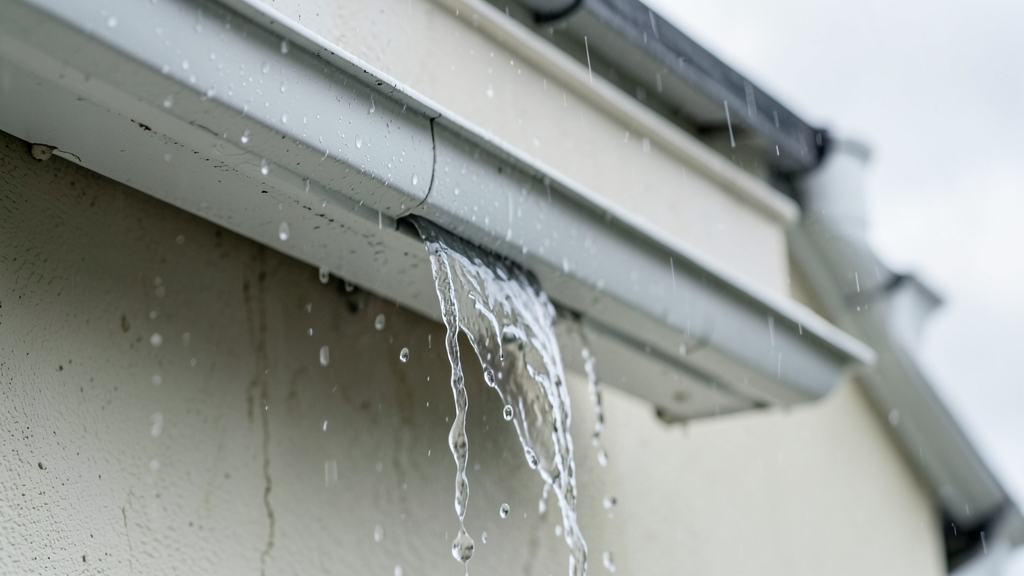
Humidity is a silent culprit behind mold growth, musty odors, and structural damage in homes across our region. With Pawcatuck’s damp coastal climate—especially in basements, crawl spaces, and attics—controlling moisture isn’t just about comfort; it’s about protecting your home and health. A properly sized dehumidifier is your first line of defense.
Why Dehumidifier Size Matters
A unit that’s too small will run constantly, fail to reduce humidity effectively, and burn out faster. One that’s too large can short-cycle, wasting energy and leaving pockets of damp air untreated. Both scenarios can lead to mold issues that require professional mold remediation or even water damage restoration down the line.
We’ve seen it firsthand in homes from Westerly to Stonington Borough: the right dehumidifier keeps humidity in the ideal 30–50% range, preventing mold before it starts.
Key Factors to Consider
Room or Space Size
Dehumidifiers are rated by the square footage they can effectively cover. Measure the area you need to treat—whether it’s a finished basement, a musty crawl space, or an attic prone to condensation.
- Small spaces (up to 500 sq ft): A 10–15 pint unit is typically sufficient.
- Medium spaces (500–1,500 sq ft): Look for a 20–30 pint model.
- Large spaces (1,500–2,500 sq ft): A 35–50 pint dehumidifier is usually needed.
- Whole-home systems: For extensive moisture issues, especially in larger homes or commercial properties, a whole-house dehumidifier or multiple units may be necessary.
Moisture Level
Pawcatuck’s proximity to the coast means higher ambient humidity, especially in summer. Consider the severity of your moisture problem:
- Moderate dampness: A standard-capacity unit will work for general humidity control.
- Very wet spaces: If you’ve had water intrusion, flooding, or persistent dampness (common in basements and crawl spaces), opt for a high-capacity or commercial-grade dehumidifier.
- Existing mold or water damage: If you’re dealing with active mold growth or past water damage, we recommend a professional mold inspection and air quality testing first. A dehumidifier can help prevent future issues, but existing problems need remediation.
Placement and Environment
Where you place the dehumidifier affects performance.
- Basements and crawl spaces: These areas often have poor ventilation and higher humidity. A unit with a built-in pump or gravity drain is ideal for continuous operation.
- Attics: Require a model rated for high temperatures and low clearance. Poorly ventilated attics in older homes (common in Mystic and Stonington Borough) are hotspots for mold if moisture isn’t controlled.
- Living spaces: Quieter, Energy Star-rated models are best for bedrooms or living rooms.
Additional Features
- Auto-defrost: Essential for cooler spaces like basements in spring and fall.
- Hygrometer: Allows you to monitor humidity levels directly.
- Continuous drainage: Avoids the hassle of emptying the tank manually—critical for crawl spaces or vacation homes.
- Energy efficiency: Look for Energy Star certification to keep costs down, especially if the unit will run frequently.
Common Mistakes to Avoid
Ignoring the Source of Moisture
A dehumidifier treats the symptom, not the cause. If you have leaks, poor ventilation, or grading issues around your foundation, moisture will keep returning. In cases like this, we often pair dehumidifier recommendations with moisture control solutions or water damage restoration to address the root problem.
Overlooking Temperature Ratings
Standard dehumidifiers struggle in temperatures below 65°F. If you’re treating a cold basement or crawl space in winter, choose a model designed for low-temperature operation.
Skipping Maintenance
Even the best dehumidifier needs regular cleaning to prevent mold and bacteria buildup inside the unit itself. Empty and clean the tank, replace filters, and check coils periodically.
When to Call the Professionals
While a dehumidifier is a great preventive tool, some situations require expert intervention:
- Visible mold growth: If you see mold, especially in large areas or after water damage, stop DIY efforts and call for mold remediation. Disturbing mold without proper containment can spread spores.
- Persistent musty odors: This often indicates hidden mold in walls, under flooring, or in HVAC systems. Mold inspection and air quality testing can pinpoint the issue.
- Recurring moisture problems: If your dehumidifier can’t keep up, you may need a more robust moisture control system or repairs to your home’s envelope.
We’ve helped homeowners in Pawcatuck, Westerly, and beyond tackle everything from minor dampness to full-scale crawl space mold remediation. The right approach starts with understanding your home’s unique needs.
Next Steps for Your Home
Start by measuring the space and assessing the humidity level with a simple hygrometer. If you’re unsure about the size or type of dehumidifier you need—or if you suspect mold or water damage—request a free quote from our team. We’ll evaluate your home’s moisture issues and recommend the best solutions, whether it’s a dehumidifier, mold prevention strategies, or remediation services.
Don’t let humidity turn into a bigger problem. Take control today.