How to Identify and Safely Remove Black Mold in Pawcatuck
Black mold—often Stachybotrys chartarum—thrives in damp, poorly ventilated spaces common in coastal Connecticut homes. Left unchecked, it can compromise indoor air quality and structural integrity. We help Pawcatuck homeowners identify, contain, and remove it safely and permanently.
What Black Mold Looks Like in Local Homes
Black mold typically appears as dark greenish-black patches, often slimy to the touch when wet. It favors cellulose-rich materials like drywall, insulation, and wood framing in basements, attics, or crawl spaces.
In Pawcatuck’s humid summers and wet winters, it’s common behind baseboards, under sinks, or beneath carpet padding after water intrusion. A musty odor often accompanies visible growth.
Health Risks of Stachybotrys Exposure
Prolonged exposure can trigger respiratory issues, headaches, and skin irritation, especially in sensitive individuals. Mycotoxins produced by some strains may exacerbate asthma or allergies.
Children, the elderly, and those with compromised immune systems are at higher risk. If you suspect widespread contamination, avoid disturbing the area and consult professionals.
Agitating black mold releases spores into the air, worsening exposure. Never attempt to scrub or bleach large infestations without proper containment.
Black Mold vs. Other Common Household Molds
Not all dark mold is Stachybotrys. Alternaria, Cladosporium, and Aspergillus can also appear black or dark brown but have different growth patterns and health effects.
| Mold Type | Color/Appearance | Common Locations | Health Concerns |
|---|---|---|---|
| Stachybotrys (Black Mold) | Greenish-black, slimy | Drywall, insulation, wood | Respiratory, mycotoxins |
| Cladosporium | Black or green, powdery | Bathrooms, windowsills | Allergies, asthma |
| Alternaria | Dark brown/black, fuzzy | Showers, basements | Asthma, hay fever |
| Aspergillus | Black, yellow, or green | HVAC systems, dust | Lung infections, allergies |
Where Black Mold Hides in Pawcatuck Homes
Our team often finds it in basements after heavy rains or poor drainage, especially in older homes in Stonington Borough or Mystic. Crawl spaces with high humidity are another hotspot.
Attics with roof leaks or inadequate ventilation can harbor mold on plywood or insulation. Even newer homes in Wequetequock aren’t immune if moisture isn’t controlled.
Water damage from burst pipes or appliance leaks can create ideal conditions behind walls or under flooring. Early detection via mold inspection or air quality testing is key.
DIY Mold Testing: When It’s Safe (and When It’s Not)
Home test kits can confirm mold presence but won’t identify the species or measure spore levels. They’re useful for small, isolated areas but unreliable for large or hidden infestations.
For accurate results, professional mold testing with air and surface sampling is recommended. This is especially true in Pawcatuck, where coastal humidity can mask widespread issues.
If mold covers more than 10 square feet, or if it’s in HVAC systems, request a quote for professional mold testing and remediation.
The Professional Black Mold Remediation Process
We start with a thorough mold inspection and moisture assessment to identify the source. Containment barriers and negative air pressure prevent spores from spreading during removal.
HEPA air scrubbers and dehumidifiers run continuously to capture airborne spores and reduce humidity. All contaminated materials are safely removed, sealed, and disposed of according to EPA guidelines.
Post-remediation, we verify clearance with air quality testing to ensure spore levels return to normal. Moisture control recommendations, like improved ventilation or vapor barriers, help prevent recurrence.
Why Local Climate Demands Proactive Mold Prevention
Pawcatuck’s proximity to the Pawcatuck River and Long Island Sound means higher humidity year-round. Basements and crawl spaces here are particularly vulnerable without proper waterproofing.
Seasonal storms and nor’easters can lead to sudden water intrusion. Regular inspections, especially after extreme weather, can catch issues before they escalate.
Mold Prevention Checklist for Coastal Homes
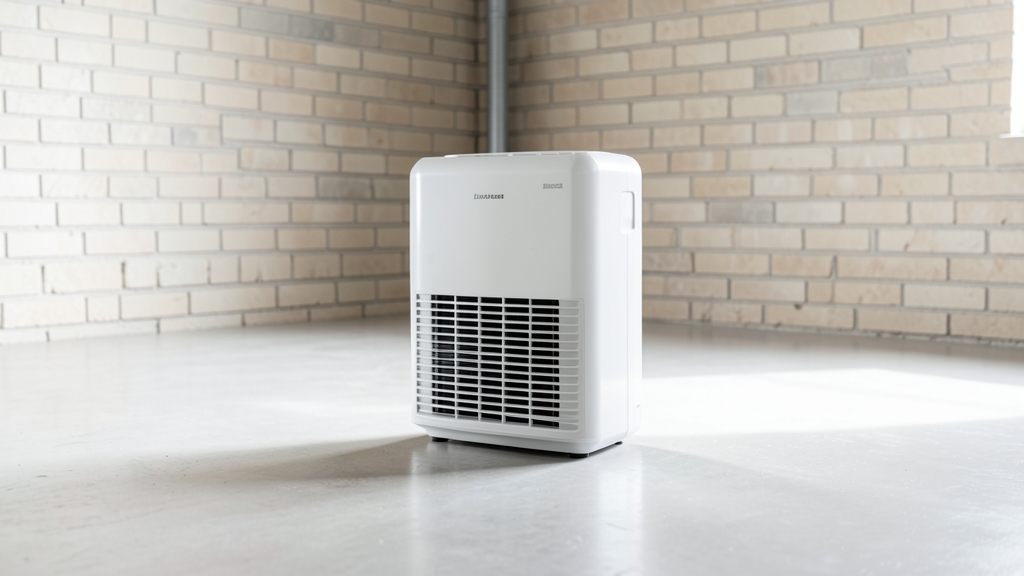
- Use dehumidifiers in basements and crawl spaces (keep humidity below 50%)
- Inspect roofs, gutters, and downspouts annually for leaks or clogs
- Ensure proper grading around the foundation to divert water away
- Ventilate bathrooms, kitchens, and laundry rooms with exhaust fans
- Address plumbing leaks or condensation immediately
When to Consider Commercial or Multi-Unit Remediation
Black mold in rental properties, schools, or commercial buildings requires a different approach. Larger spaces and shared HVAC systems can spread spores rapidly across multiple units.
We’ve handled remediation for businesses in Westerly and multi-family homes in Mystic, ensuring minimal disruption and full compliance with local and state regulations.
How to Safely Contain Small Mold Patches Before Help Arrives
If you spot a small area of black mold (under 3 sq. ft.), take these steps to limit exposure while waiting for professionals.
- 1Isolate the Area
Close doors and windows to the affected room. Cover doorways with plastic sheeting and tape to create a barrier.
- 2Turn Off HVAC Systems
Prevent spores from spreading through vents. This includes furnaces, air conditioners, and fans.
- 3Wear Basic PPE
Use an N95 respirator, gloves, and goggles (no skin contact). Avoid touching mold directly.
- 4Reduce Moisture
Place a dehumidifier nearby and run it continuously. Fix any active leaks or condensation sources.
- 5Avoid Disturbing the Mold
Do not scrub, bleach, or vacuum the area. Disturbing it can release more spores into the air.
- 6Contact a Professional
Request a quote for mold inspection and remediation. Provide details about the size, location, and any known water damage.
Frequently Asked Questions
Can black mold grow in my Pawcatuck home’s HVAC system?
Yes, especially if there’s excess moisture or poor filtration. Mold in ductwork can spread spores throughout the house. Professional air quality testing can confirm its presence, and HVAC cleaning or remediation may be needed.
How long does black mold remediation take?
Timelines vary based on the infestation size and location. Small, contained areas may take 1–3 days, while large or hidden mold (e.g., in crawl spaces or attics) can require a week or more. Drying time and clearance testing add to the duration.
Is bleach effective for killing black mold?
Bleach can kill surface mold on non-porous materials but doesn’t penetrate porous surfaces like drywall or wood. It also doesn’t address the root moisture issue. For porous materials, professional remediation with specialized solutions is necessary.
What’s the difference between mold removal and mold remediation?
Mold removal refers to eliminating visible mold, while remediation addresses the underlying cause (e.g., water damage) and ensures spores are contained and prevented from returning. Remediation includes cleanup, containment, and moisture control.
Can black mold return after remediation?
Yes, if the moisture source isn’t fully resolved. That’s why we emphasize moisture control—fixing leaks, improving ventilation, and using dehumidifiers—as part of the remediation process. Regular inspections help catch new growth early.
Do I need to leave my home during mold remediation?
For small, contained projects, it’s often unnecessary. However, for large infestations (e.g., in basements or attics), temporary relocation may be recommended, especially for sensitive individuals. We’ll advise you based on the scope of work.