Essential Mold Inspection Checklist for Homebuyers in Pawcatuck
Buying a home is one of the biggest investments you’ll make, and hidden mold can turn that dream into a costly nightmare. In our coastal climate, moisture is a constant battle—especially in older homes, basements, and crawl spaces. A professional mold inspection protects your health and your wallet.
We’ve helped hundreds of homebuyers in Pawcatuck and nearby Westerly, Stonington Borough, and Mystic avoid surprises at closing. Use this checklist to know what to look for before you sign.
---
Why Mold Inspections Matter in Coastal Connecticut
Our region’s humidity, seasonal storms, and aging housing stock create the perfect conditions for mold growth. Even minor water intrusion—from a leaky roof, poor drainage, or a damp basement—can lead to hidden colonies behind walls or under flooring.
Mold isn’t just unsightly. It can compromise indoor air quality, trigger allergies, and even cause structural damage over time. A pre-purchase inspection gives you leverage to negotiate repairs or walk away if the issues are too severe.
---
Your Room-by-Room Mold Inspection Checklist
Exterior Red Flags
Start outside. Look for:
- Poor grading around the foundation (water should flow away from the house).
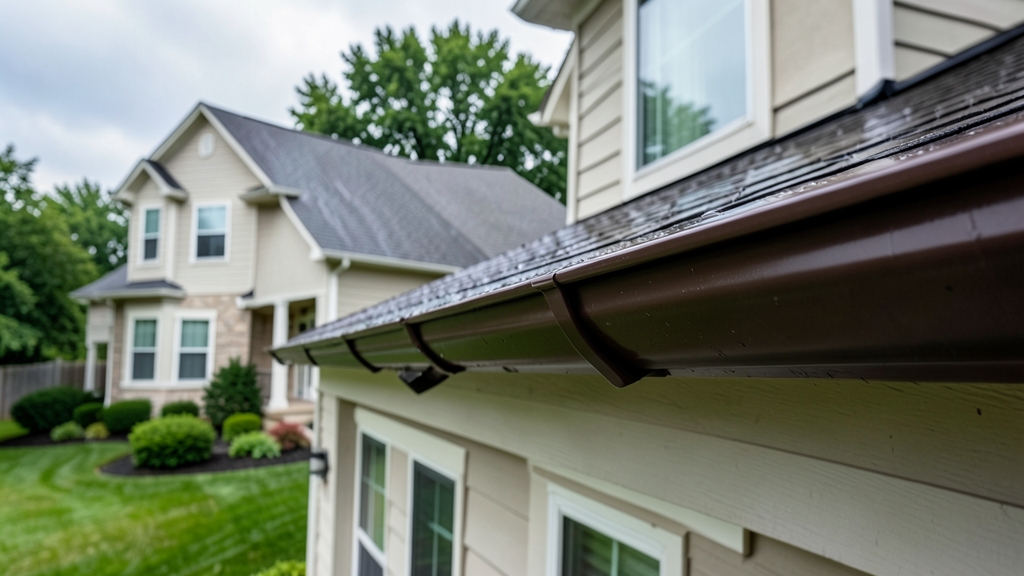
- Cracked or missing gutters/downspouts that dump water near the base.
- Stained or rotting siding, especially on north-facing walls that get less sun.
- Overgrown vegetation touching the home, trapping moisture against exterior surfaces.
These issues often lead to basement or crawl space mold—common problems in Pawcatuck’s older neighborhoods.
---
Basement and Crawl Space
These areas are high-risk zones. Check for:
- Musty odors: A telltale sign of active mold, even if you can’t see it.
- Water stains on walls, floors, or ceilings.
- Efflorescence (white, chalky mineral deposits on concrete) indicating past or current moisture.
- Wood rot in joists or subflooring—this often means prolonged dampness.
- Standing water or damp insulation.
If the home has a crawl space, ask if it’s encapsulated. Many in our area aren’t, which can lead to chronic moisture problems.
---
Attic and Roof
Attics are another hotspot, especially with poor ventilation. Inspect for:
- Dark stains on roof decking or rafters (signs of past or present leaks).
- Condensation on the underside of the roof—common in winter when warm air meets cold surfaces.
- Wet or compressed insulation, which loses effectiveness and traps moisture.
- Rust on nails or metal components, another moisture indicator.
A compromised roof can lead to attic mold remediation needs down the line.
---
Bathrooms and Kitchens
These wet areas often hide mold behind walls or under flooring. Look for:
- Discoloration or peeling paint near showers, sinks, or toilets.
- Caulking gaps or cracked tile grout that lets water seep in.
- Soft or spongy floors around toilets or under sinks.
- Exhaust fans that don’t vent outside or are clogged with dust.
Even small leaks can cause big problems over time.
---
HVAC System
Your heating and cooling system can spread mold spores throughout the house. Check:
- Dirty or clogged air filters (replace them regularly to prevent circulation issues).
- Drip pans under coils for standing water or mold growth.
- Ductwork for visible mold or musty smells when the system runs.
Poorly maintained HVAC systems often contribute to air quality issues, which is why we recommend mold testing and air quality testing for older homes.
---
Walls, Ceilings, and Floors
- Water stains on ceilings (could indicate a roof or pipe leak).
- Bubbling or peeling paint/wallpaper (often a sign of moisture behind the surface).
- Warped or buckled hardwood floors (can mean water damage or high humidity).
- Cold spots on walls (may indicate hidden moisture or poor insulation).
Don’t ignore musty smells in closets or behind furniture—mold loves dark, undisturbed spaces.
---
Windows and Doors
- Condensation between double-pane glass (failed seal, leading to moisture buildup).
- Rotting window frames, especially in older wooden windows.
- Drafts around frames that let in humid outdoor air.
Proper sealing and ventilation are key to preventing mold growth near entry points.
---
When to Call in the Professionals
While this checklist helps you spot obvious issues, some problems are invisible to the untrained eye. We recommend a professional mold inspection if:
- The home has a history of water damage or flooding.
- You smell mustiness but can’t locate the source.
- The basement, crawl space, or attic shows signs of moisture.
- The home has been vacant for an extended period (stagnant air can worsen hidden mold).
Our team uses advanced tools like moisture meters, thermal imaging, and air sampling to detect mold in places you can’t see. Mold testing and air quality testing provide the data you need to make an informed decision.
---
What Happens If Mold Is Found?
If the inspection reveals mold, don’t panic. The next steps depend on the severity:
- Minor surface mold (e.g., on a bathroom wall) can often be cleaned with proper protocols.
- Hidden or extensive mold (e.g., in drywall, insulation, or subflooring) usually requires professional mold removal and remediation.
- Structural damage (e.g., rotted wood) may need repairs alongside remediation.
In many cases, sellers are willing to address these issues before closing—or adjust the price to cover the cost of mold remediation.
---
Preventing Future Mold Problems
Even if the home passes inspection, proactive steps can keep mold at bay:
- Control humidity with dehumidifiers in basements and crawl spaces (aim for 30–50% indoors).
- Improve ventilation in bathrooms, kitchens, and attics.
- Fix leaks promptly, no matter how small.
- Insulate pipes to prevent condensation.
- Grade your yard so water flows away from the foundation.
For homes in Pawcatuck and surrounding areas like Wequetequock, where older construction and coastal moisture are common, these measures are especially critical.
---
Don’t Gamble on Your Investment
A thorough mold inspection is a small upfront cost compared to the potential expense of remediation later. Whether you’re looking in Pawcatuck, Mystic, or Stonington Borough, knowing what to look for—and when to call in experts—can save you thousands.
If you’re ready to schedule a professional inspection or have concerns about a property, request a free quote. Our team will provide a detailed assessment and clear next steps, so you can move forward with confidence.